
Venezuela's Reckoning
The Geopolitical Flex We Needed, and the Spin We Deserve Better Than

Hey folks, Charley here, hunkered down in my usual spot with a fresh pot of coffee and the world still buzzing from yesterday’s bombshell. If you’re just catching up, January 3, 2026, will go down as the day the U.S. pulled off a surgical strike in Caracas, snatching Nicolás Maduro right out from under his regime’s nose and hauling him stateside. No fanfare, no endless buildup, just action. As someone who’s watched Latin American politics twist and turn since my college days backpacking through the region, this feels like a long-overdue reset. But let’s talk about the chatter out there, because it’s exactly what I expected: partisan divides, ignored realities, and a media machine that’s more interested in stoking fires than shedding light. Buckle up; this is me bouncing thoughts off the wall, with a personal plea to question the narratives we’re fed.
First, the left’s corner, and yeah, they’re in full lament mode. Cries of “imperialism” echo through op-eds and talking heads, painting this as a reckless throwback to the interventionist sins of yesteryear. They’re quick to invoke sovereignty and international law, fretting over how unseating a dictator might unravel the global order. Fair points on the surface, but dig a little, and it starts feeling like excuses for a regime that’s starved its people, rigged elections, and turned Venezuela into a launchpad for narco-trafficking that’s bleeding into our own borders. Personal gripe: I’ve got friends from Venezuela who’ve fled the chaos, sharing stories of blackouts and empty shelves that make your heart ache. Hearing the same voices who downplayed Maduro’s brutality now decry his removal? It’s a tough pill. They’re not all wrong about the risks of escalation, but the selective outrage smells like politics over principle.
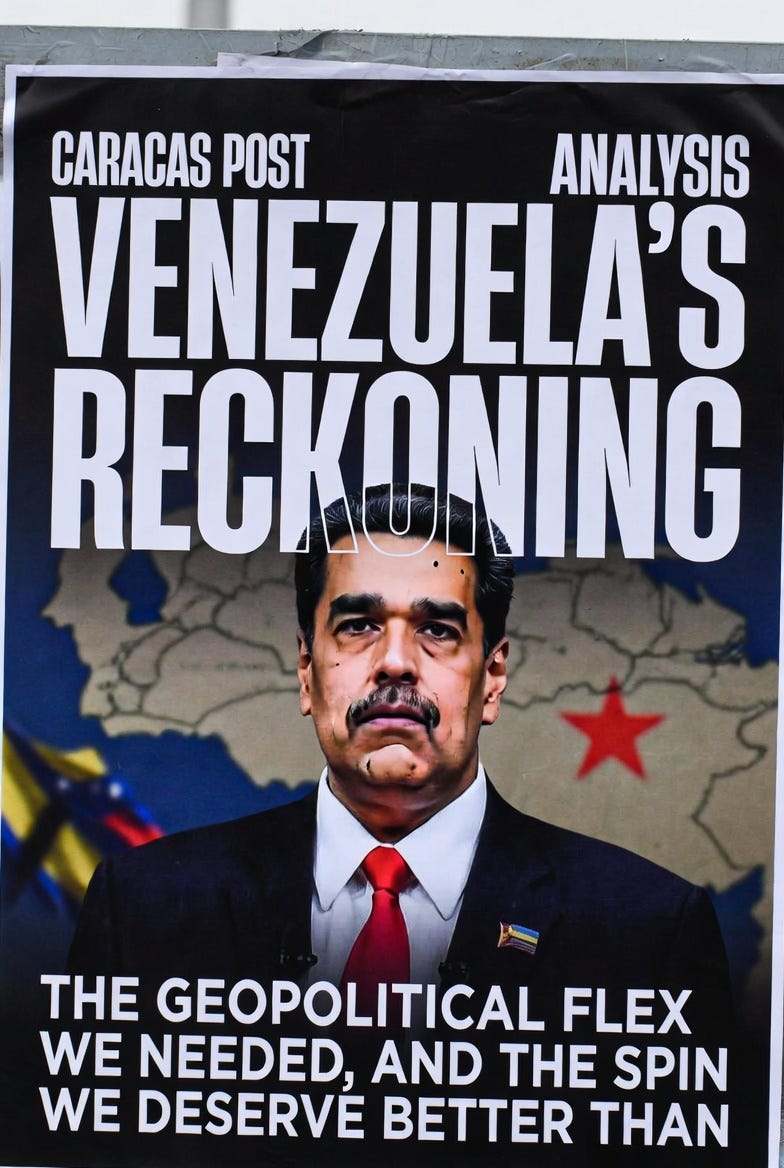
On the flip side, the right’s popping champagne, mostly. There’s genuine relief at finally holding a tyrant accountable, especially with Maduro’s ties to gangs like Tren de Aragua wreaking havoc stateside. Trump’s bold move to let U.S. companies step in on the oil front has folks envisioning a stabilized economy and fewer illicit flows funding adversaries. But here’s the worrywart undercurrent: Could this lead to boots on the ground, another endless commitment? Senator Rubio’s been clear that those troops in the Caribbean are just leverage, not an occupation force. From my chats with conservative pals, the happiness is tempered by memories of past entanglements. No one’s ignoring the what-ifs; they’re just glad someone’s drawing a line. And honestly, seeing Venezuelans abroad waving flags in celebration while those at home hold their breath? It’s a reminder that real people are at the heart of this, not just talking points.
But zoom out, and you’ll see what everyone’s glossing over, or at least downplaying. This isn’t merely about ousting one bad actor; it’s a thunderclap message to China and Russia: “We’re done. Get out of our backyard.” For years, Venezuela’s been their sandbox, oil deals propping up sanctions-dodging economies, military bases inching closer to our shores. Rubio’s warnings hit the nail: No more turning the country into a haven for Iran, Hezbollah, or Cuban intel ops. The timing screams intent, a Chinese delegation was mid-negotiation in Caracas when the op went down. From my energy sector buddies, this disrupts the shadowy pipelines that keep anti-Western regimes afloat. It’s the kind of decisive stroke Gen Z’s been craving, tired of diplomatic dithering in a world of bold aggressors. Sure, polls show young folks wary of full-blown interventions, but this quick-hit style, three hours, zero U.S. casualties, feels like the action they want without the forever-war baggage. One millennial friend texted me: “Finally, something that punches back without dragging us in.”
And then there’s the beacon of hope: María Corina Machado, the 2025 Nobel Peace Prize winner who’s earned her stripes fighting Maduro’s machine. She’s the people’s pick, with overwhelming support from that stolen 2024 election where Venezuelans voted for change en masse. Now, she’s framing this as a restoration of democracy, not some foreign imposition. Streets in exile communities like Miami are alive with joy, and even in Caracas, there’s a palpable shift, dancing civilians tasting freedom after years of fear. If she steps in, backed by a pro-Western coalition, Venezuela’s oil and minerals could fuel a real comeback, drawing back the diaspora and rebuilding from the ground up. The people are happy? Absolutely, many are, cautious, sure, but hopeful in a way that’s been absent for too long.
All this said, we can’t ignore the filter through which most of us get our news: the media. Look, I’m not here to bash every journalist, plenty do solid work, but too often, outlets act as echo chambers, amplifying spin over substance. We don’t challenge them enough, letting narratives shape our views without pausing to think independently. Take Rachel Maddow’s recent segment on the strike: It questioned why America acted, suggesting most folks are clueless about the motives, and even framed the operation’s potential illegality as something Trump might relish. It was heavy on alarmism, light on the context of Maduro’s abuses or the broader geopolitical stakes. If you step back and form your own thoughts, considering the human cost of inaction, it doesn’t hold up as balanced analysis. Moments like this remind me why we need to be our own fact-checkers, digging beyond the headlines. The media’s role should be to inform, not inflame, and when it veers into propaganda territory, it’s on us to call it out calmly and keep seeking the truth.
Wrapping this up on a high note, call it my eternal optimism, honed from too many late-night debates. Venezuela’s reckoning could mark a turning point: reclaiming a hemisphere from foreign meddlers, empowering leaders like Machado, and showing that bold action doesn’t have to mean endless conflict. It’s messy, sure, but progress often is. What do you think? Has this shifted your view on U.S. foreign policy, or are you skeptical? Drop your thoughts in the comments, let’s keep the conversation going. Until next time, stay curious and question everything. Thanks for reading, and if you haven’t subscribed yet, hit that button below. Talk soon.